
Understanding Depression and Its Effects on Life
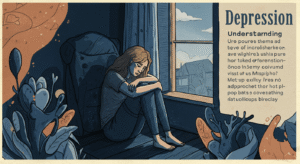
Understanding depression is vital because it’s not just sadness—it’s a serious mental health condition that affects mood, energy, and motivation. People experiencing depression often feel persistent hopelessness, fatigue, or a loss of interest in daily activities they once enjoyed. According to the World Health Organization, depression affects over 280 million people globally, making it one of the most common yet misunderstood mental health issues. It can impact concentration, sleep, appetite, and even physical pain levels. Without proper understanding and support, depression can spiral into chronic emotional distress that influences relationships, productivity, and self-esteem.
Recognizing early signs such as long-lasting sadness, irritability, or loss of focus can help individuals seek help before symptoms worsen. It’s important to remember that depression does not mean weakness — it’s a medical condition that deserves empathy and treatment. Understanding depression starts with accepting that seeking support is a strength, not a flaw.
Natural Ways to Overcome Depression
🧘 Regular physical exercise, balanced nutrition, and quality sleep play key roles in improving mood naturally. Studies show that physical activity releases endorphins, known as “feel-good” hormones, that counteract depressive symptoms. A diet rich in omega-3 fatty acids, leafy greens, and whole grains also supports brain chemistry stability. Practicing mindfulness, journaling, and gratitude each day helps reframe negative thought patterns and foster a sense of calm. Spending time outdoors and maintaining social connections can reduce isolation and restore motivation.
Professional therapy, such as cognitive behavioral therapy (CBT), remains one of the most effective approaches for long-term recovery. Combining therapy with self-care habits and support from family or friends can make the healing process more sustainable. Understanding depression means acknowledging both medical and natural strategies can work together for recovery.
Building Resilience and Understanding Depression
💡 Developing a resilient mindset takes time but is essential for lasting well-being. Setting small, achievable goals and celebrating progress helps rebuild confidence. Engaging in hobbies, creative activities, or volunteering offers purpose and social connection. Limiting alcohol and caffeine while maintaining consistent sleep routines prevents further mood fluctuations. Depression often distorts perception — reminding yourself that emotions are temporary can bring relief during difficult moments. Ultimately, understanding depression is about learning patience with yourself and building inner strength step by step.
Recovery is not linear, and that’s perfectly okay. With time, proper care, and self-compassion, anyone can rediscover hope, energy, and a renewed sense of life purpose.
https://www.who.int/news-room/fact-sheets/detail/depression
https://raum.it.com/10-best-morning-exercises-for-a-healthy-start/


Leave a Reply