
🚨 Travel Precautions in Korea (Part 3): Real-Life Mistakes and Emergency Guide
Even the safest destinations have hidden traps for the unprepared traveler. South Korea ranks among the world’s top 5 safest countries, but that doesn’t mean accidents or misunderstandings never happen. In this final chapter, we’ll explore travel precautions in Korea, real-world mistakes foreign visitors often make, and how to respond quickly in emergencies.
🧭 Understanding Common Travel Mistakes in Korea
While most travelers praise Korea’s safety and hospitality, patterns of avoidable mistakes appear every year. Recognizing them is the first rule of travel precautions in Korea.
1. Overconfidence in English Communication
Many travelers assume everyone speaks fluent English. Outside of Seoul, however, communication can be limited. Always carry translation apps like Papago or Google Translate offline.
2. Ignoring Cultural Context
Raising your voice in public or showing irritation toward service staff may be seen as disrespectful. Koreans value calm composure; losing your temper may isolate you.
3. Neglecting Emergency Numbers
Few visitors memorize 112 (Police), 119 (Fire & Ambulance), and 1330 (Tourist Hotline). Save them before arrival.
4. Forgetting Cash or Transport Cards
Digital payments dominate, but rural buses and markets still prefer cash. Carry a small amount for flexibility.
🏨 Accommodation Risks and Precautions Travel precautions in Korea
Hotels and guesthouses are generally safe, yet a few details ensure travel precautions in Korea are fully covered.
-
Fire Safety: Check for visible extinguishers and clear escape routes. Avoid locking balcony doors from the outside.
-
Unauthorized Airbnbs: Some short-term rentals operate without licenses. Verify “Business License No.” on Korean sites like Yanolja or Agoda Korea.
-
Privacy Concerns: Hidden-camera incidents are rare but exist. Inspect rooms with your phone’s flashlight around sockets and alarms. If unsure, ask front desk to relocate you.
🚗 Transportation Errors and How to Avoid Them Travel precautions in Korea
The transport system is brilliant but precise. Simple mistakes can ruin plans.
-
Last train times: Subways stop around midnight. Missing the last train means expensive taxis.
-
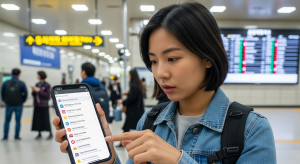
Navigation apps: Google Maps lacks accuracy. Use Naver Map or KakaoMap for real-time directions.
-
Unregistered taxis: Avoid cars without a meter or official sign. Use Kakao T or call 1330 for help if overcharged.
-
Driving: Foreigners need an International Driving Permit (IDP). Police may fine you without it.
Following these simple rules makes travel precautions in Korea practical and stress-free.
💳 Scams and Financial Awareness Travel precautions in Korea
While rare, some tourist-focused areas still attempt overcharging. Being alert is key to safe travel in South Korea.
-
Bar or karaoke traps: Never follow street promoters promising “free drinks.” Always ask for a menu with prices.
-
Fake souvenir discounts: Some shops inflate prices then “halve” them. Compare at official souvenir stores or malls.
-
ATM withdrawals: Use machines inside banks or convenience stores for security cameras and 24h assistance.
-
Currency exchange: Airport rates are safe but expensive. Best rates exist at Myeongdong authorized booths.
🧑⚕️ Medical Emergencies and Hospital Navigation
Health systems in Korea are excellent, but language barriers can delay care.
Here’s how to manage travel precautions in Korea related to medical issues:
-
Call 1339 (Korea Disease Control Center) for public-health advice.
-
Pharmacies (약국, yak-guk) sell OTC medicines but close by 10 PM.
-
Hospitals in Seoul and Busan often have international clinics. Show your passport and travel insurance card.
-
If injured in Jeju or Gangwon, dial 119 and send your GPS location via text for rescue.
Having travel insurance that covers treatment and evacuation is the smartest precaution in Korea.
⚖️ Legal Issues and Police Interactions
Korean law is strict but fair. Avoid these mistakes:
-
Public drinking: Allowed in most places, but disturbance can lead to police warnings.
-
Drug laws: Zero tolerance for possession — even small amounts carry prison sentences.
-
Visa overstay: Automatic fines and future entry restrictions.
-
Filming without consent: Illegal, even for vlogs. Get verbal permission.
If you encounter police, stay calm and polite. Most officers use the tourist translation line to assist foreigners.
🔥 Natural Disasters and Seasonal Precautions
Though Korea is stable, seasonal risks exist — especially typhoons and winter ice.
-
Summer (Jul–Sep): Monitor weather apps for typhoon alerts. Cancel outdoor plans if warnings appear.
-
Winter (Dec–Feb): Slippery roads cause accidents; wear shoes with grip and avoid steep alleys.
-
Spring (Mar–Apr): Yellow dust from China affects air quality; use KF94 masks.
-
Earthquakes: Rare but possible; follow hotel safety instructions and avoid elevators during tremors.
Being weather-aware is a vital part of travel precautions in Korea.
🧳 Real-Life Incident Examples
A few documented cases illustrate how small errors cause big trouble for travelers — and how they recovered through proper Korea travel safety tips.
-
Case 1: Lost Passport in Subway
A tourist left a bag on the train; station staff retrieved it within 15 minutes using CCTV. Lesson: report immediately; Korea’s subway response is fast but time-sensitive. -
Case 2: Taxi Dispute in Busan
A driver charged double fare — passenger called 1330, and fare was refunded after recording the plate number. -
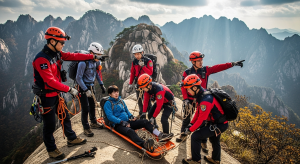
Case 3: Hiking Accident in Seoraksan
Foreign hiker ignored trail closures during rain. Rescued 4 hours later by 119 team. Lesson: respect park closures and weather alerts.
These stories prove why proactive travel precautions in Korea save time, money, and stress.
🧠 Checklist Before You Leave Your Hotel
-
Charged phone and portable battery
-
Translation app ready (Papago / Google Translate)
-
Local currency cash ₩30,000–₩50,000
-
Subway card (T-money or Cashbee)
-
Hotel card with address in Korean
-
Emergency contacts — 112, 119, 1330
-
Light jacket or umbrella for sudden weather
-
Respectful attitude and smile 🙂
🌏 Conclusion: Prepared Travel Is Peace of Mind
Understanding travel precautions in Korea goes beyond avoiding accidents — it builds trust between you and the local culture.
By knowing the laws, language basics, and emergency protocols, you’ll not only travel safely but also earn the kindness Koreans are known for.
Stay curious, stay respectful, and travel smart.
Your journey through Korea will be as safe as it is unforgettable.
https://english.visitkorea.or.kr/svc/main/index.do
https://raum.it.com/korea-travel-safety-tips-part1/
Leave a Reply