
🏙️ Safe travel in South Korea: Seoul Safety Guide
South Korea offers a balance of ultra-modern cities, historical landmarks, and breathtaking nature — but even in such a safe country, each region has its own hidden risks and travel nuances. Understanding them is one of the smartest steps toward ensuring safe travel in South Korea. In this part, we explore the most common issues faced by travelers city by city, so you can plan your trip with confidence.
🏙️ Seoul: Urban Safety and Hidden Travel Risks
Seoul is one of the world’s most vibrant capitals, a 24-hour city full of technology, culture, and nightlife. But the very intensity that makes it exciting also brings unique challenges.
When considering safe travel in South Korea, Seoul requires a mix of street-smart awareness and cultural respect.
-
Crowded public transport: The subway during rush hours can feel overwhelming. Keep wallets and phones secured, and stand aside when doors open to let people exit first.
-
Nightlife caution: Districts like Itaewon, Hongdae, and Gangnam are popular for clubs and bars, but drink spiking and wallet theft occasionally happen. Never leave drinks unattended.
-
Taxi overcharges: Rare but possible after midnight. Use official apps like Kakao T instead of street taxis.
-
Police presence: Tourist Police (dial 1330) operate near Myeongdong and Hongdae — they’re friendly and often multilingual.
The golden rule for Seoul is situational awareness. Don’t confuse the city’s safety reputation with immunity to petty crime.
🌊 Safe Travel in South Korea: Busan Beach Safety & Local Tips Safe travel in South Korea
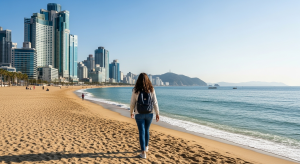
Busan’s beaches and seafood markets attract millions yearly, but travelers should know that seaside cities have their own hazards.
For safe travel in South Korea, especially in Busan, the key is respecting natural elements.
-
Rip currents at beaches: Haeundae and Gwangalli beaches have lifeguards only during summer. Obey red flags — Korea enforces strict safety closures.
-
Seafood markets: Jagalchi Market is famous, but always confirm prices before ordering live seafood. Some stalls charge hidden cooking fees.
-
Taxi navigation: Busan’s hilly geography sometimes confuses drivers; confirm your destination on your map before departure.
-
Public intoxication: Beach parties are fun, but loud behavior after midnight may draw police warnings; local residents expect quiet evenings.
Despite these warnings, Busan remains an incredibly friendly city — treat the ocean and people with respect, and you’ll find it unforgettable.
🌋 Travel Safety in Korea: Jeju Island Precautions & Weather Risks Safe travel in South Korea
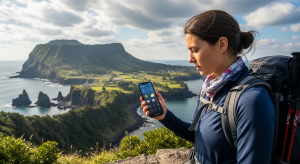
Jeju Island is a UNESCO World Heritage site, a volcanic paradise of waterfalls, caves, and cliffs. But its wild terrain demands preparation.
When planning safe travel in South Korea, Jeju requires more attention to weather and nature than any other destination.
-
Unpredictable weather: Sudden rain or typhoons can interrupt hiking plans. Always check forecasts and avoid climbing Hallasan during strong winds.
-
Rental car caution: Roads can be narrow and slippery. Drive slowly, especially on coastal routes where wind gusts are strong.
-
Wildlife encounters: Jeju has snakes and insects in rural zones — wear proper shoes and avoid tall grass.
-
Tourist scams: Some taxi drivers or tour agencies overcharge foreigners. Compare rates online before booking.
Emergency services on Jeju are efficient but can be slower in rural areas. Save GPS coordinates of your lodging for quick assistance.
🏞️ Gyeongju: History, Heritage, and Cultural Respect
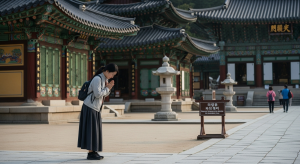
Known as the “Museum Without Walls,” Gyeongju is filled with ancient tombs, temples, and UNESCO heritage sites. Here, safe travel in South Korea means respecting sacred spaces.
-
Temple etiquette: Remove shoes before entering worship halls. Avoid loud conversation or flash photography during ceremonies.
-
Bicycle rentals: Popular for exploring tomb areas, but uneven roads cause frequent falls. Wear helmets even for short rides.
-
Cultural sensitivity: Many locals are elderly and value quiet respect. Avoid sitting on tomb mounds — it’s considered disrespectful.
Most safety incidents in Gyeongju are minor accidents caused by carelessness rather than crime. Slow down and absorb the tranquility.
🏔️ Gangwon Province: Mountains, Snow, and Adventure Risks
Gangwon is Korea’s outdoor heart — home to ski resorts, hiking trails, and national parks.
For travelers seeking adventure, safe travel in South Korea here means understanding weather-based dangers.
-
Winter sports injuries: Slopes at Pyeongchang and Yongpyong are steep. Always rent helmets and check snow conditions before skiing.
-
Hiking safety: In Seoraksan, sudden fog or rain can disorient hikers. Register your route at park entrances.
-
Driving hazards: Mountain roads freeze quickly; local drivers use snow chains. Follow suit and avoid night driving during storms.
Gangwon’s beauty is breathtaking, but its nature demands respect — never underestimate the weather.
🌇 Incheon: Gateway City with Airport-Specific Tips
Most international travelers start their journey through Incheon International Airport, a modern hub consistently ranked among the world’s best.
But there are still a few travel precautions in Korea worth noting for the Incheon region.
-
Airport scams: Avoid unofficial “airport helpers” offering cheap taxis; use official taxi stands or airport buses.
-
Hotel locations: Some low-cost hotels near the airport are in isolated areas with limited food options. Check maps before booking.
-
Shopping caution: Duty-free stores are reliable, but off-airport “discount” shops may charge hidden taxes or sell replicas.
Overall, Incheon is one of the safest entry points in Asia — but planning transportation in advance saves stress.
🕯️ Daegu and Daejeon: Mid-Size City Awareness Safe travel in South Korea
Daegu and Daejeon are lesser-known to international tourists, yet both are worth exploring.
While crime is rare, safe travel in South Korea still depends on common-sense habits.
-
Daegu summers: Temperatures can exceed 38°C — heatstroke is common. Hydrate frequently and wear light clothing.
-
Night safety: Quiet after 10 PM; walk in well-lit streets near main roads.
-
Daejeon’s science parks: Fascinating for families, but note that some industrial zones restrict photo taking for security reasons.
These central cities provide a more local, authentic vibe — relax, but remain attentive.
🚦 Transportation Between Cities
Traveling across Korea is convenient with high-speed KTX trains and express buses, but a few details ensure safe travel in South Korea during intercity movement.
-
Train stations: Keep tickets handy; inspectors check frequently.
-
Buses: Intercity buses sometimes lack seatbelts — choose front rows when possible.
-
Rest stops: Keep belongings with you; thefts are rare but not unheard of.
-
Navigation: Download the NAVER Map or KakaoMap apps; Google Maps lacks full accuracy in Korea.
Intercity travel is highly organized, but punctuality matters — buses and trains rarely wait for late passengers.
⚖️ Legal and Social Rules Across Cities
Although Korea’s laws are consistent nationwide, enforcement strictness varies slightly by city.
-
Smoking bans: Enforced more strictly in Seoul and Busan than in rural towns.
-
Public drinking: Legal but frowned upon in residential zones.
-
Noise regulations: Especially strict in apartment complexes — even Airbnb guests can be reported for loud music.
-
Police response: Quick and polite; they may use translation hotlines (dial 1330) to assist foreigners.
Respect these small differences, and you’ll avoid unnecessary trouble anywhere you go.
🧭 Summary: Travel Smart, City by City
Every Korean destination has its own rhythm — Seoul’s dynamic energy, Jeju’s raw nature, Gyeongju’s peaceful heritage.
To ensure safe travel in South Korea, approach each city with both excitement and awareness.
Learn local customs, plan transportation wisely, and keep a balance between curiosity and caution.
By doing so, your experience will not just be safe — it will be extraordinary.
Stay tuned for Part 3: Travel Precautions in Korea – Real-Life Mistakes and Emergency Guide, where we’ll cover real incident cases, law enforcement insights, and how to react in unexpected situations.
https://raum.it.com/korea-travel-safety-tips-part1/
Leave a Reply