
🧳 Korea Travel Safety Tips (Part 1): Essential Rules Every Visitor Should Know
Traveling to South Korea can be one of the most rewarding experiences in Asia — but to fully enjoy it, you should understand a few essential Korea travel safety tips before your trip begins. Whether you’re walking through Seoul’s neon alleys, hiking in Jeju’s volcanic trails, or exploring Gyeongju’s ancient temples, knowing how to stay safe and respectful will make your journey smoother and far more enjoyable.
🌏 Korea Travel Safety Tips for Local Etiquette and Manners
South Korea is an exceptionally safe country, but it’s also a place where manners and social etiquette hold deep cultural importance. Unlike in some Western cultures, silence and politeness are viewed as signs of respect here.
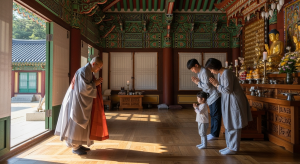
When greeting someone, especially older people, bow slightly and use two hands when giving or receiving something. This simple gesture demonstrates humility and gratitude — core values in Korean society.
Public behavior is also taken seriously. Talking loudly on public transportation or playing music on your phone without earphones can be considered rude. Koreans value harmony and calmness in shared spaces, so try to adapt to this collective awareness during your trip.
If you plan to visit temples or traditional villages, wear modest clothing and avoid interrupting religious activities. Taking photos is often allowed, but always ask first.
🚇 Korea Travel Safety Tips for Public Transportation
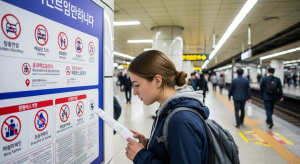
One of the key Korea travel safety tips involves understanding how safe yet structured the public transportation system is.
The subway networks in Seoul, Busan, and Daegu are vast, punctual, and incredibly clean. However, they can get crowded during rush hour (7–9 AM and 6–8 PM). Be mindful of seniors and pregnant women — priority seats are strictly respected in Korea.
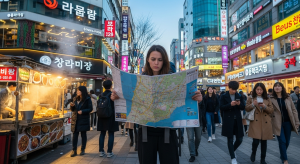
Pickpocketing is rare, but not impossible. Always keep your belongings close in busy tourist zones like Myeongdong or Hongdae.
For late-night travel, avoid unlicensed taxis. Use official apps such as Kakao T or T Map Taxi, which provide verified drivers and GPS tracking.
🏨 Hotel and Accommodation Awareness
Most hotels and guesthouses in Korea are safe and well-managed, but foreign travelers should take a few precautions.
If you’re staying in smaller hostels or guesthouses, ensure they have visible fire escape routes and smoke alarms. Some older buildings in Seoul’s traditional districts (like Jongno or Euljiro) can be compact with narrow exits.
Lock your door and avoid leaving valuables unattended. If your accommodation offers safes, use them for passports and cash.
When using Airbnb, verify reviews and check for verified listings with recent guest feedback.
🥢 Food Safety and Dining Etiquette
Food is central to Korean culture, and one of the joys of traveling here. Yet, understanding dining etiquette is also part of safe and respectful travel.
Avoid eating in unsanitary street stalls that lack visible hygiene standards — though most Korean food vendors are clean and regulated. Wash your hands before meals, and always use serving spoons rather than your personal chopsticks when sharing dishes.
If you have food allergies, learn key Korean phrases like:
-
“저는 땅콩 알레르기가 있어요.” (I’m allergic to peanuts.)
-
“이 음식에 해산물이 들어 있나요?” (Does this dish contain seafood?)
Restaurants will appreciate your effort, and this small communication can prevent misunderstandings or health risks.
💰 Safe Travel in South Korea – Avoiding Scams & Money Risks
Korea is one of the safest countries in the world, but scams can still occur in tourist-heavy areas. Common issues include overpriced taxi fares or hidden service fees in bars near Itaewon or Gangnam.
Here are practical Korea travel safety tips for handling money and avoiding scams:
-
Use official ATMs inside convenience stores or banks.
-
Always double-check the total before paying in cash.
-
Beware of “helpful” strangers offering unsolicited tours or taxi services.
Credit cards are widely accepted, but always carry small cash for local markets. Korea’s digital payment systems (like Naver Pay or Kakao Pay) are excellent, but not all foreign cards work, so it’s best to prepare in advance.
🚑 Travel Precautions in Korea – Health & Emergency Tips
Healthcare in South Korea is high-quality and efficient, but travelers should prepare for language barriers.
Save these numbers on your phone:
-
Emergency (police): 112
-
Ambulance/fire: 119
-
Tourist police and translation hotline: 1330
If you’re taking prescription medicine, bring it in its original packaging and a doctor’s note. Korean customs can be strict about imported medications. Pharmacies (약국, yak-guk) are easy to find, usually marked by a green cross.
During summer, beware of high humidity and heatstroke. Stay hydrated and use sunscreen. During winter, sidewalks may be slippery — wear shoes with good traction.
📱 Internet, SIM Cards, and Digital Safety
Connectivity is excellent across Korea. You can buy prepaid SIM cards at airports or rent portable Wi-Fi routers. Public Wi-Fi is widespread, but avoid logging into sensitive accounts (like banking) on open networks.
Cybersecurity awareness is one of the less-discussed yet important Korea travel safety tips. Some cafés or public areas use shared Wi-Fi that might track your activity. Use a VPN for extra safety, especially if you work remotely while traveling.
⚖️ Legal and Cultural Rules to Remember
Respecting local laws is essential for all travelers. Smoking is prohibited in most indoor areas, public parks, and bus stops. Littering or drinking alcohol in prohibited zones can result in fines.
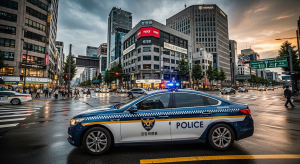
Avoid raising your voice or arguing with local police officers — Korean law enforcement prioritizes calm communication and will often use English-speaking officers for tourists.
Never touch or photograph someone without consent, especially children or performers in markets and temples.
If you lose your passport, contact the Tourist Police (dial 1330) or visit your country’s embassy in Seoul (usually located in Jongno or Itaewon area).
🧭 Final Thoughts
South Korea is one of the safest and most efficient countries in the world, but thoughtful preparation makes your experience even smoother.
Following these Korea travel safety tips not only ensures personal safety but also shows respect for the culture and the people.
Traveling smart, being polite, and understanding local customs will make your time in Korea not just safe — but deeply enriching.
Stay tuned for Part 2: “Safe Travel in South Korea – City-Specific Warnings and Common Risks”, where we’ll explore how to stay safe in Seoul, Busan, Jeju, and other destinations across the country.
https://english.visitkorea.or.kr/svc/main/index.do
https://raum.it.com/korea-travel-itinerary-and-tips/
Leave a Reply