
https://www.who.int/news-room/fact-sheets/detail/healthy-diet
https://raum.it.com/10-best-morning-exercises-for-a-healthy-start/
Introduction
Healthy foods are the simplest lever for better energy, stronger immunity, and long-term disease prevention. In a world of rushed meals and ultra-processed snacks, choosing wisely changes how you feel today and how you age tomorrow—no extreme diets required.
Healthy Foods: Fruits & Vegetables
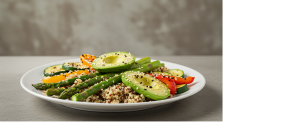
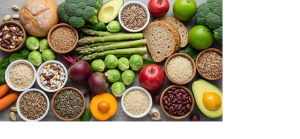
Colorful produce delivers vitamins, minerals, antioxidants, and fiber that lower inflammation and support digestion. Aim for variety—dark greens, citrus, berries, tomatoes, and cruciferous veggies—so you cover different phytonutrients across the week.
Healthy Foods: Whole Grains for Steady Energy
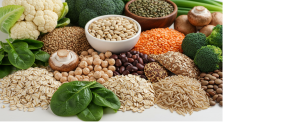
Swap refined carbs for oats, brown rice, quinoa, and whole-grain bread. Their fiber slows glucose spikes, feeds gut microbes, and keeps you full longer. A practical rule: make at least half your grains whole and choose healthy foods that list “whole” as the first ingredient.
Healthy Foods: Lean Proteins for Repair
Protein builds and repairs tissue and stabilizes appetite. Rotate fish, poultry, eggs, tofu, tempeh, beans, and Greek yogurt. Pair plant proteins to cover essential amino acids and add herbs/spices for flavor without extra saturated fat.
Healthy Fats and Nutritious Meals
Not all fats are equal. Favor olive oil, nuts, seeds, and avocado—rich in mono- and polyunsaturated fats, including omega-3s. These nutritious foods support brain function, joint comfort, and cardiovascular health while improving meal satisfaction.
Fermented Foods & Hydration for Gut Health
Kimchi, yogurt, kefir, and sauerkraut supply beneficial microbes; fiber from plants feeds them. Hydrate with water, herbal tea, or fruit-infused water to aid nutrient transport and curb mindless snacking driven by thirst mistaken as hunger.
Daily Balanced Diet with Healthy Foods
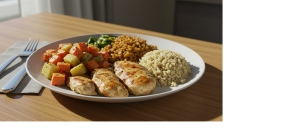
Use a simple plate method: half non-starchy vegetables; a quarter whole grains or starchy veg; a quarter lean protein; add a thumb of healthy fat and a fermented side. This repeatable structure removes guesswork and scales to any cuisine or budget.
Smart Shopping & Meal Prep for Healthy Eating
Plan 3–4 anchor meals, build a short shopping list, and batch-prep staples (roasted veggies, cooked grains, boiled eggs). Keep fruit visible, nuts pre-portioned, and dressings ready so the healthy foods choice becomes the easy choice.
Conclusion
Small, consistent upgrades—more plants, intact grains, lean proteins, and quality fats—compound over time. Filling your plate with healthy foods improves today’s focus and tomorrow’s health span, without complicated rules or perfection.
Leave a Reply