
Introduction
Breathing exercises for heart health are a simple yet powerful way to improve cardiovascular function, reduce stress, and strengthen overall wellness. While medication and diet often take the spotlight in discussions about heart care, controlled breathing techniques are increasingly recognized as essential tools. This article explores the science behind breathing exercises, the daily practices you can adopt, and the long-term benefits for your heart.
Why Breathing Exercises Affect the Heart
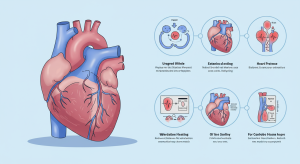
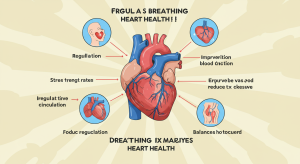
The heart and lungs are closely connected. When you breathe slowly and deeply, your body activates the parasympathetic nervous system, which calms the heart rate and lowers blood pressure. Shallow, rapid breathing, often caused by stress, can trigger the opposite effect—faster heartbeat, higher blood pressure, and greater strain on arteries. This explains why breathing exercises for heart health are recommended by many cardiologists and wellness experts.
The Science of Breathing and Cardiovascular Wellness
Research shows that slow, regular breathing increases heart rate variability (HRV), a key marker of resilience and cardiovascular fitness. Higher HRV means the heart adapts better to stress and recovers more quickly. Controlled breathing also reduces cortisol, the body’s stress hormone, and promotes better oxygen delivery to tissues. Together, these mechanisms create a healthier environment for the heart.
Types of Breathing Exercises for Heart Health
Several techniques can be practiced at home without equipment:
-
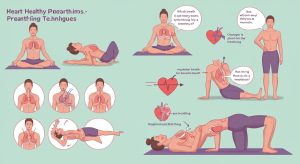
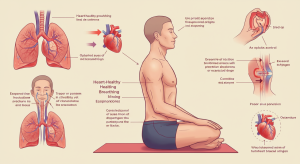
Diaphragmatic Breathing: Also known as belly breathing, this technique strengthens the diaphragm and encourages full oxygen exchange.
-
Box Breathing: Inhale for four counts, hold for four, exhale for four, and hold again for four. This method reduces anxiety and stabilizes heart rhythms.
-
4-7-8 Breathing: Inhale for four counts, hold for seven, and exhale for eight. Popular for relaxation and sleep improvement, it also supports cardiovascular calm.
-
Alternate Nostril Breathing: A yoga practice that balances the nervous system and enhances circulation.
Practicing these exercises for 5–15 minutes daily is enough to see meaningful improvements.
Daily Habits That Support Breathing and Heart Health
Breathing exercises are most effective when combined with other habits. Maintaining good posture ensures lungs can expand fully. Regular physical activity, such as walking or yoga, complements breathing routines. A diet rich in antioxidants, omega-3s, and whole foods supports blood vessel health, making the heart even more responsive to the benefits of controlled breathing.
Long-Term Benefits of Breathing Exercises for Heart Health
Consistent practice leads to measurable results: lower resting blood pressure, steadier heart rate, reduced risk of arrhythmias, and better stress management. Many patients report improved sleep, higher energy levels, and less anxiety after just weeks of practice. Over years, these small habits add up, reducing the risk of heart disease and supporting longevity.
Making Breathing a Lifestyle Habit
The key is consistency. Set aside time in the morning or before bed for breathing practice. Use reminders or guided audio apps to build the habit. Even during the day—before meetings, while commuting, or during moments of tension—just a few slow breaths can protect the heart. Unlike complex treatments, breathing requires no cost and no equipment, making it one of the most accessible forms of preventive health care.
Conclusion
Breathing exercises for heart health provide a natural, effective way to care for the body’s most vital organ. By lowering blood pressure, improving circulation, and reducing stress, they empower you to take control of your wellness. Whether you choose diaphragmatic breathing, box breathing, or simple mindful inhales and exhales, daily practice creates lasting benefits. Small, steady breaths today can lead to a stronger, calmer heart tomorrow.
https://raum.it.com/10-best-morning-exercises-for-a-healthy-start/
Leave a Reply