
🌏 Introduction — Understanding the Soul Behind Korean Culture
Welcome to Korean Culture Explained, your ultimate guide to understanding not just what Koreans do, but why they do it. 💡
Korea isn’t just about K-pop, kimchi, or high-speed internet—it’s about a deep system of values, etiquette, and traditions that shape everything from daily conversations to national holidays.
From ancient Confucianism to futuristic digital trends, this article takes you through the past, present, and future of Korea. Whether you’re visiting Seoul, studying in Busan, or simply a fan of Korean dramas, you’ll find something here that helps you truly understand Korea.
“To understand Korea, you must first feel its rhythm—fast, polite, passionate, and proud.” 🇰🇷
🏯 1. Roots of Korean Culture: From Dynasties to Digital Days
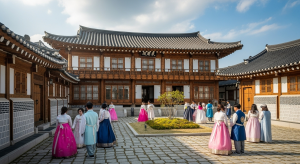
Korean history is one of resilience. For over 5,000 years, this peninsula has seen kingdoms rise and fall—Goguryeo, Baekje, Silla, and later the Joseon Dynasty that lasted more than 500 years. During that time, Confucianism became the moral foundation of society.
✨ Core Confucian values that still guide life today:
-
👨👩👧👦 Filial piety (효, Hyo): Respecting parents and elders is not optional—it’s sacred.
-
🤝 Harmony (화, Hwa): Avoid confrontation, value group consensus.
-
🎓 Education (학문, Hakmun): Learning is seen as moral duty, not just career tool.
Even in modern society, you’ll notice that these ancient ideas subtly influence office hierarchy, school life, and even the way people speak or apologize.
🕰 Interesting fact: Despite being one of the most wired nations on earth, Koreans still bow to greet others—proof that digital speed hasn’t erased cultural depth.
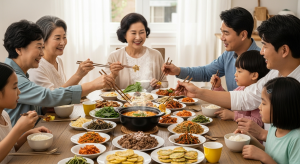
🍱 2. Dining Etiquette: The Art of Sharing Food
In Korea, eating isn’t just about food—it’s about connection.
Meals are social rituals that reveal status, care, and respect.
🍚 Golden rules at the table:
-
Use two hands when offering or receiving anything. 🙇♂️
-
Don’t start eating until the eldest lifts their chopsticks first.
-
When drinking, turn your head slightly away from elders.
-
Never stick chopsticks upright in rice—it’s a funeral symbol.
🥢 Fun to know:
Every meal comes with multiple banchan (side dishes), like kimchi, pickled radish, and bean sprouts. These side dishes represent diversity and harmony—values at the center of Korean life.
🍶 Soju culture tip: When someone pours for you, hold your glass with two hands. After you drink, pour theirs next. It’s about balance and respect—the heart of Korean manners.
🧠 3.Korean Culture Explained through Language and Politeness — Honorifics That Define Relationships
Language is where Korean culture becomes crystal clear.
Every word reflects respect, hierarchy, and warmth.
🗣 Levels of speech:
-
Formal (존댓말): used in workplaces, schools, with elders.
-
Informal (반말): used with friends or younger people.
-
Polite form (요): safe middle ground for daily life.
💬 Common expressions you’ll hear everywhere:
-
“감사합니다” (Gamsahamnida) – Thank you.
-
“수고하셨습니다” (Sugohasyeotsseumnida) – You’ve worked hard (used after meetings).
-
“잘 먹겠습니다” (Jal meokgetseumnida) – Said before eating, meaning “I’ll enjoy the meal.”
🪶 Cultural tip:
Koreans prefer indirect politeness. Instead of saying “No,” they might say “It might be difficult…” or “I’ll check again.” Learn to read the tone—this skill is called nunchi (눈치), the art of reading the room.
💼 4. Work Culture: Team Spirit and Speed
Korean offices are a mix of hierarchy and teamwork. Everyone moves fast, and “deadline” is a sacred word.
💡 Quick survival guide for foreign professionals:
-
Arrive 10 minutes early—it’s a sign of respect. ⏰
-
Titles matter: use “Manager Kim” instead of just “Kim.”
-
Collective harmony > individual opinion.
-
Company dinners (회식, hoesik) are social glue—attending builds trust.
👔 Modern shift: Younger generations are challenging overwork culture.
Now, flexible hours, mental health talks, and “no-after-9pm messaging” policies are slowly spreading in Korean startups.
“Work fast, work smart—but always bow when leaving the office.” 🙇♀️
💘 5. Dating & Relationships — Romance with Rules
Korean dating has its own rhythm—part tradition, part trend.
💞 Unique traits you’ll notice:
-
“Couple culture”: matching outfits, anniversaries every 100 days 💑
-
Public affection is still modest compared to Western standards.
-
Confession culture: saying “I like you” defines relationship start (“사귀자”).
-
Gender roles are slowly changing—many couples share bills, decisions, and even skincare routines.
📱 Apps like KakaoTalk or Instagram are crucial in communication. The number of hearts or replies can subtly express feelings.
💬 “Are you eating?” (밥 먹었어?) often means “I care about you.” Food and love, once again, blend seamlessly.
Continue to [Part 2: Modern Korea & Global Impact]


https://english.visitkorea.or.kr/svc/main/index.do?utm_source=chatgpt.com
https://raum.it.com/myeongdong-seoul-%f0%9f%8c%86-history-food-and-shopping-guide/
Leave a Reply